义兵行
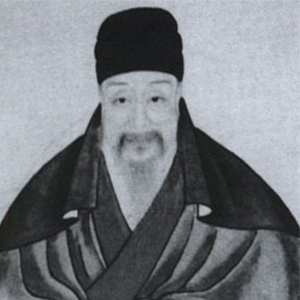
风萧萧,雨凄凄,义兵起程行路迷。腰刀手枪耀光辉,青衫白帽行队齐。
问渠远行将何之,官司召募征江西。妻儿父母夹道啼,我今与汝生别离。
生别离,不得已,在家出征同一死。麦禾满田穗将结,皇天淫雨无时歇。
去年秋旱号饥寒,今年夏麦不得餐。幸逢此地无争战,供给军需民力乾。
生为浙西农,死为江西卒。回首语妻儿,何处收吾骨。
率土皆王民,安敢辞苦役。但愧扶犁手,畴能用矛戟。
愿得将相俱贤才,扫除盗贼无纤埃。义兵归来旧田里,卖刀买牛复生理。
The wind is swishing, the rain is drizzling, the soldiers bravely set out but have a lost sense of direction. Their waist knives and handguns glitter, and in neat formation they wear blue clothes with white caps.
When asked about their long journey, they're recruited by officials to fight in Jiangxi. Their wives, children and parents stand weeping along the way as they bid farewell. It's a bitter moment of separation that none wanted to face.
Although it's a separation, it's also a duty that must be fulfilled. They are leaving their homes to fight in the same spirit as if they were dying. The wheat and rice fields are full, yet the sky rains ceaselessly.
Last autumn was a drought, making them hungry and cold. This summer, they barely had time to enjoy the wheat harvest. Fortunately, they are in a place without war, but providing for the army is still a heavy burden on the civilians.
Born as farmers in the west of Zhejiang, they will die as soldiers in Jiangxi. Looking back at their families, they speak softly, asking where they will recover their bones.
Everyone under the soil is a child of the Emperor, so no one dares to refuse such duty. However, it is only regretful that those who have labored with plows cannot use their hands to wield weapons against the enemy.
They wish for capable generals and trustworthy subordinates who can eradicate thieves and robbers completely. When the soldiers return home to their old homes, they will sell their swords, buy oxen and resume their former agricultural life.
《义兵行》这首诗以深沉而细腻的笔触,描绘了一幅战乱时期普通民众被迫从军、离别家园的悲壮图景,同时也流露出对和平生活的深切向往和对国家未来的美好愿景。
开篇“风萧萧,雨凄凄”,两句以自然环境的凄清渲染出一种不祥而又沉重的氛围,预示着即将发生的离别与动荡。“义兵起程行路迷”,直接点题,义兵们在大风雨中踏上征途,心中满是迷茫与不确定。腰间的刀剑与手枪闪烁着冷冽的光芒,与青衫白帽的整齐行列形成鲜明对比,展现出一种既悲壮又无奈的力量美。
接下来,“问渠远行将何之,官司召募征江西。”通过设问的形式,揭示了义兵远行的缘由——官方的征召,前往江西平乱。这一决定让家中的妻儿父母悲痛欲绝,“我今与汝生别离”一句,道出了离别之苦,字字泣血,令人动容。而“生别离,不得已”,则透露出一种无奈与牺牲,在家与出征,似乎都是走向死亡,这种选择的无意义性更加重了悲剧色彩。
随后,诗人笔锋一转,描绘了百姓生活的艰难:“麦禾满田穗将结,皇天淫雨无时歇。”丰收的希望被连绵不绝的雨水摧毁,加之“去年秋旱号饥寒,今年夏麦不得餐”,连年的自然灾害让民众生活在饥饿与贫困之中。即便如此,“幸逢此地无争战”,民众依然愿意默默承受生活的重压,只为能有一方安宁之地。然而,连这样的基本愿望也难以实现,不得不“供给军需民力乾”,揭示了战争对普通民众生活的双重压迫。
“生为浙西农,死为江西卒。”这句简短而有力,表达了农民身份的无奈转换,生命从耕作于田野到埋骨他乡,充满了辛酸与不公。“回首语妻儿,何处收吾骨?”更是将个人的悲剧推向极致,对死后归宿的追问,是对生命尊严的最后呼唤。
尽管如此,诗人并未沉溺于绝望,而是以“率土皆王民,安敢辞苦役”展现出一种大局观和责任感,虽然自知“但愧扶犁手,畴能用矛戟”,却仍怀抱希望,期待“愿得将相俱贤才,扫除盗贼无纤埃”。在这里,诗人寄托了对贤能领导的渴望,希望通过他们的努力,能够结束战乱,还百姓以安宁。
全诗以“义兵归来旧田里,卖刀买牛复生理”作结,描绘了一幅理想化的和平景象:义兵们结束战斗,回归故土,重拾农耕生活,象征着战争阴霾散去后,人们重建家园、恢复生机的美好愿景。整首诗情感真挚,语言质朴,既是对当时社会现实的深刻反映,也是对人性光辉与和平理想的深情呼唤。