三哀诗其一厉
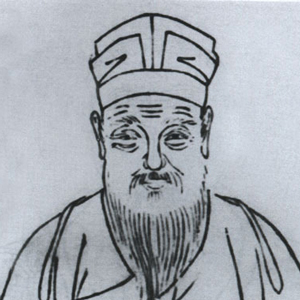
厉公予先师,侃侃国髦士。文词奋白屋,名识动丹扆。
帝乡眷遇殊,曲宴锡丰侈。青衫何足云,倏忽期显仕。
云何尉苕溪,露泣秋萱死。朔风撼南极,黄屋继隳圮。
归栖从山云,松柯荫琴史。泪挥新亭悲,诗穷《黍离》旨。
雪霜转侵凌,故里不可止。漂泊海东西,生计日雕靡。
暮年赋归欤,幸遂首丘志。遗经惜无传,嗣续但耘耔。
死别三十春,恨未致一慰。何当马鬣封,秋菊荐寒水。
这些都是对一个人生平的赞美和缅怀。以下是这段文字的英文翻译:
Mr. Li was my predecessor, a distinguished scholar and statesperson. His writings were vibrant and his reputation was widely recognized.
He was highly regarded by the emperor and was treated with special favor. He was often invited to attend lavish banquets. Despite starting out in a humble position, he quickly rose to a prominent position in the government.
But what a tragedy it was when he was appointed to guard the Tiao溪 region and his mother passed away in tears, as if the autumn wind had shook the South Pole star and brought misfortune to the imperial palace.
He retreated to the mountains and lived in harmony with nature, under the shade of pines and boles of trees reading books and playing music. Moved by the sorrow of New Pavilion or the sorrow of the ruined cities in his poems, he suffered increasingly from the cold and harsh realities of life, as his hometown became increasingly invaded by snow and frost.
Forced to wander in the east and west, his livelihood gradually declined. In his later years, he managed to return to his hometown, fulfilling his wish to rest in his ancestral land. Although he left behind precious teachings, they were not passed on, and all that remained were his children tilling the soil.
Thirty years have passed since his death, and I still haven't had the chance to offer my condolences. When will I be able to pay my respects to him with a horse-tail monument and offer autumn chrysanthemums in memory of him?
《三哀诗·其一·厉》是一首饱含着深沉哀思与缅怀之情的诗作,它以细腻的笔触勾勒出了厉公这位昔日国士的坎坷生平,以及在历史洪流中渐行渐远的身影,读来令人动容。
开篇“厉公予先师,侃侃国髦士”,直接点明了厉公的身份——不仅是诗人的先师,更是国家中一位正直不阿、才华横溢的杰出人士。“文词奋白屋,名识动丹扆”,这两句通过对比,展现了厉公虽出身平凡(白屋),却凭借其非凡的文学才华赢得了朝廷(丹扆,代指皇宫)的赏识与尊重。这不仅是对厉公文采的赞誉,也隐含了对寒门才子通过自身努力改变命运的肯定。
“帝乡眷遇殊,曲宴锡丰侈”,进一步描绘了厉公在京城受到的特别宠遇,宫廷宴会上的丰厚赏赐,象征着其一时风头无两的荣耀。然而,“青衫何足云,倏忽期显仕”笔锋一转,透露出诗人对仕途无常的感慨,即便是曾经的荣耀加身,也难以预料未来的命运走向。
接下来的“云何尉苕溪,露泣秋萱死”,是厉公命运转折的开始。他被贬至苕溪(今浙江湖州一带)任小官,而家中或许有亲人离世(秋萱,常用来比喻母亲,此处或暗指丧母之痛),人生的悲凉与无奈跃然纸上。“朔风撼南极,黄屋继隳圮”,以自然界的动荡比喻国家局势的不稳,暗示厉公个人命运的起伏与国家兴衰紧密相连。
“归栖从山云,松柯荫琴史”,厉公在仕途失意后,选择归隐山林,与松林为伴,以琴书为乐,这是一种超脱世俗、寻求精神慰藉的生活态度。“泪挥新亭悲,诗穷《黍离》旨”,新亭之泣,典故出自东晋,象征着对故国的深切怀念与忧伤;《黍离》之旨,则源自《诗经》,表达了诗人对国家衰亡的哀叹,厉公的诗歌中充满了对过往辉煌不再的哀悼。
“雪霜转侵凌,故里不可止。漂泊海东西,生计日雕靡。”随着年岁的增长,外界的艰难困苦愈发侵袭着厉公,连故乡也难以成为安稳的避风港。他四处漂泊,生计日渐艰难,生活的艰辛与无奈,让人心生怜悯。
“暮年赋归欤,幸遂首丘志。”尽管历经磨难,厉公终于在晚年得以落叶归根,实现了死后归葬故土的愿望,这对他来说或许是一种难得的安慰。“遗经惜无传,嗣续但耘耔。”遗憾的是,厉公的学问与著作未能广泛流传,只留下后代默默耕耘,这既是对厉公学术贡献未能得到充分认可的惋惜,也是对文化传承断裂的无奈。
最后,“死别三十春,恨未致一慰。何当马鬣封,秋菊荐寒水。”诗人与厉公已阴阳相隔三十载,心中满是对未能亲自祭奠的遗憾。他期盼着能在厉公的墓前(马鬣封,指坟墓),以秋菊与寒水作为祭品,表达自己对先师的追思与敬仰。
整首诗情感深沉,语言质朴而不失韵味,通过对厉公一生的回顾,展现了个人命运与国家兴衰的交织,以及对文化传承的深刻思考,读罢令人不禁为之动容。